Nathan Seppa, Science News : December 23, 2010
Animals can be trained to sniff out TB in sputum samples, adding to accuracy of microscope test
Low-income countries struggling to keep tuberculosis under control might get a boost from an unlikely source—giant African rats.
The big rodents spotted hundreds of TB-positive sputum samples that a standard microscope test missed on first pass, researchers report in the December American Journal of Tropical Medicine and Hygiene.
The TB bacterium currently infects one in three people worldwide, the World Health Organization estimates, with the highest rates in Africa.
Giant African rats, also called Gambian pouched rats (Cricetomys gambianus), are native to much of Africa and have been used before to sniff out land mines. Training captive-bred rats to detect TB takes about five or six months, says study coauthor Alan Poling, a psychologist and animal-learning expert at Western Michigan University in Kalamazoo. Attempts to train captured giant rats didn’t work because the animals proved unmanageable, he says. “In the wild, they’re really nasty.”
The rats are exposed to sputum samples through holes in the floor of a cage, and if they correctly pause for five seconds to smell a TB sample, they are rewarded with a mouthful of banana. Lingering over non-TB samples gets no reward. Eventually, the rats can check a string of holes moving “about as fast as they can walk,” Poling says.
In the largest analysis to date, Poling and a research team in Tanzania collected sputum samples from more than 10,000 people and tested them using a standard microscopic analysis for TB. The researchers found that about 1,400 people had the disease. The TB samples had been rendered noninfectious using heat and pressure, a safety measure designed to prevent transmission of live TB from dropped or spilled samples, Poling says.
When the rats sniffed the same sputum samples, the animals correctly identified more than 90 percent of those found as positive in the lab. But the rats also tagged more than 1,400 additional people as positive. When reanalyzed more closely under the microscope, those samples turned out to include 620 people who indeed had TB. Thus, while the standard test found that 13.3 percent of people were TB-positive, the rats bumped that figure up to more than 19 percent.
It may seem that the rats turned in a lot of false positives, sensing samples as TB-positive that a second microscope test couldn’t confirm. But many might not be false, Poling says. “We’re thinking that in at least some of these people, there are bacteria present that our people [using microscopes] didn’t see. There might be low concentrations.”
The gold standard for TB testing is to culture the bacteria in the sputum, but that can take weeks. “There’s a need to deploy a new generation of technologies to get new diagnostics out there against TB,” says Peter Hotez, a physician and microbiologist at George Washington University in Washington, D.C. “[Using rats] is definitely a low-tech approach,” he says.
But he says the rats’ accuracy rate would need to improve for this to become a standard screening strategy. A new lab test that uses a polymerase chain reaction is 98 percent accurate in detecting TB, researchers reported in the Sept. 9 New England Journal of Medicine. That technique, which copies key bacterial DNA, appears to be the TB test of the future, Hotez says. It is being tested in the field and may become commercially available soon.
Poling and his group are using the DNA test to verify results from the standard microscopy and the rat tests. But the DNA test currently costs about $20 per sample, he says, which is far too high for developing countries. It’s unclear how much the rats would cost per sample, he says, since the method has not been scaled up commercially. But once the rats are trained, they can whip through a dozen samples in less than a minute and be used again and again.
http://www.usnews.com/science/articles/2010/12/23/giant-rats-detect-tuberculosis.html
Monday, 3 January 2011


TUBERCULOSIS: Massachussetts: Worcester teacher tests positive for tuberculosis
Renee Nadeau Algarin : December 23, 2010
About 100 students and staffers at a Worcester elementary school must be tested for tuberculosis after a teacher tested positive for the contagious disease, health officials announced today.
“In this specific case, this was a very low risk to the students and faculty here at the school. Our approach is, we want to be very cautious,” said Derek Brindisi, Worcester’s director of public health
http://www.bostonherald.com/news/regional/view/20101223worcester_teacher_tests_positive_for_tuberculosis/srvc=home&position=recent
About 100 students and staffers at a Worcester elementary school must be tested for tuberculosis after a teacher tested positive for the contagious disease, health officials announced today.
“In this specific case, this was a very low risk to the students and faculty here at the school. Our approach is, we want to be very cautious,” said Derek Brindisi, Worcester’s director of public health
http://www.bostonherald.com/news/regional/view/20101223worcester_teacher_tests_positive_for_tuberculosis/srvc=home&position=recent
MALARIA: The impact of maternal malaria on newborns.
Hartman TK, Rogerson SJ, Fischer PR.: Ann Trop Paediatr. 2010;30(4):271-82.
BACKGROUND: Each year, malaria threatens 125 million pregnancies, and gestational malaria is responsible for up to 200,000 infant deaths in sub-Saharan Africa. With advancing knowledge of malaria in pregnancy and its impact on newborns, improved preventive and therapeutic interventions are possible.
METHODS: We reviewed and, by consensus, evaluated published literature relevant to malaria and newborns. Important findings are summarised.
RESULTS: Pregnant women are more likely than others to be inoculated with and infected by malaria parasites. Poor outcomes are particularly common in primigravid women and their offspring. The placenta is affected through cellular adhesion, cytokine production and mononuclear cell infiltrates. As a result, newborns may have low birthweight owing to intrauterine growth retardation or prematurity. Recent evidence suggests that a subset of these infants is also at higher risk of malaria infections later in life. Preventive strategies to improve maternal and fetal outcomes include intermittent preventive treatment and insecticide-treated bed nets. Asymptomatic malaria infection is not uncommon in newborns, and symptomatic disease occurs. Fever and death are possible during the early days of life, and presentation with a sepsis-like illness can occur during the 1st 2 months of life. Malaria-affected infants face higher than usual risks of infantile anaemia, subsequent malaria infection and death during the 1st year of life.
CONCLUSIONS: Malaria is common during pregnancy and can have serious consequences for neonatal health. Neonatal morbidity and mortality can be significantly reduced by proper implementation of insecticide-treated nets and intermittent preventive treatment.
http://www.ncbi.nlm.nih.gov/pubmed/21118620
BACKGROUND: Each year, malaria threatens 125 million pregnancies, and gestational malaria is responsible for up to 200,000 infant deaths in sub-Saharan Africa. With advancing knowledge of malaria in pregnancy and its impact on newborns, improved preventive and therapeutic interventions are possible.
METHODS: We reviewed and, by consensus, evaluated published literature relevant to malaria and newborns. Important findings are summarised.
RESULTS: Pregnant women are more likely than others to be inoculated with and infected by malaria parasites. Poor outcomes are particularly common in primigravid women and their offspring. The placenta is affected through cellular adhesion, cytokine production and mononuclear cell infiltrates. As a result, newborns may have low birthweight owing to intrauterine growth retardation or prematurity. Recent evidence suggests that a subset of these infants is also at higher risk of malaria infections later in life. Preventive strategies to improve maternal and fetal outcomes include intermittent preventive treatment and insecticide-treated bed nets. Asymptomatic malaria infection is not uncommon in newborns, and symptomatic disease occurs. Fever and death are possible during the early days of life, and presentation with a sepsis-like illness can occur during the 1st 2 months of life. Malaria-affected infants face higher than usual risks of infantile anaemia, subsequent malaria infection and death during the 1st year of life.
CONCLUSIONS: Malaria is common during pregnancy and can have serious consequences for neonatal health. Neonatal morbidity and mortality can be significantly reduced by proper implementation of insecticide-treated nets and intermittent preventive treatment.
http://www.ncbi.nlm.nih.gov/pubmed/21118620
POVERTY: Has the world met its Paris aid commitments?
 Jonathan Glennie 3 January 2011
 Has the world met its Paris aid commitments?
Governments have missed most of the 2010 targets agreed in the Paris Declaration on Aid Effectiveness, but there are good reasons why we should not give up on the process in 2011

Aid packages from the UK Department for International Development. Photograph: AP
In 2005, donor governments, accompanied by some key recipient governments and a smattering of international NGOs, agreed a set of principles for how to make their aid better support development. The Paris Declaration on Aid Effectiveness was the direct result of civil society's campaign to ensure better as well as more aid. Measurable targets were outlined and a deadline to meet them was set: 2010. So how has the aid world performed?
The short answer is not very well. The results from the 2010 survey are not yet in, so we don't know what progress has been made in the last couple of years, but apart from one or two significant steps forward, it seems progress has been weak. Of the 14 indicators of progress, the OECD, which is managing the process, thinks three are on track (relating to untying aid, better coordination between donors of technical assistance and better public financial management), a further three are within reach (on aid predictability, reducing the creation by donors of parallel project implementation units and recording aid in recipient country budgets), with the remaining eight requiring "very special efforts", which is the politically correct way of saying "we're miles off".
So it would be fairly easy to scoff at the Paris process as a wasted effort. Apart from the slow progress, it has come in for some fairly damning criticism over its methodology, with the targets being only mildly related to real development progress – ownership, conditionality and dependency cannot be measured by asking the World Bank to give countries scores on how good their development strategies are, for example. The Paris agenda does not really measure aid effectiveness, but aid efficiency, ie it looks at bureaucratic processes, but not the actual impact aid has on reducing poverty. After five years of evidence gathering, nothing in the Paris process will tell us if any more lives have actually been saved on account of changes in aid giving.
Another important criticism is that, as the middle-income countries become ever more important in aid giving (from China and India to Brazil and South Africa), the Paris process fails to involve them, giving the public in donor and recipient countries only a very partial view of the reality of aid. It's all very well accounting for OECD aid to Nicaragua, but what about the millions of dollars transferred by Venezuela's president Hugo Chavez, reportedly to a private presidential account?
But despite all this, there are good reasons not to give up on Paris just yet. Firstly, while I and others have argued that the most important issues are sidelined in the Paris agenda, some important principles are articulated, and this is the first time concerted effort has been made to implement them. You have to walk before you can run. A focus on transparency, in particular, is a substantial step forward, as Owen Barder wrote on the Poverty matters blog recently.
The fact that progress has been slow is disappointing, but hardly surprising to anyone who has worked in a complex political bureaucracy. It takes time to alter ways of working and incentives (a salutary lesson for donors with a habit of trying to force poor countries to introduce huge reforms in short periods of time). A meeting in Accra in 2008 led to improvements to the Paris declaration, with a particularly important focus on civil society as a vital complement to the state in ensuring that good decisions are made about aid and development.
Importantly, recipient countries are becoming more interested in the Paris declaration, just as, ironically, enthusiasm among donors appears at risk of waning. Presumably this is because more people in recipient governments realise that the principles enshrined in the declaration are broadly in their interests (except, perhaps, "harmonisation", which risks strengthening the bargaining power of donors). While fewer than 40 countries took part in the baseline survey in 2005, 55 took part in the monitoring survey in 2008, and more than 80 are expected to take part in the 2010-11 evidence gathering initiative.
Finally, while it is right to criticise the Paris agenda for being overly bureaucratic and for failing to clearly link a fairly technical set of targets with real changes for real people, there is something to be said for a focus on systems. The millennium development goals, another process that is broadly a good thing, has been criticised for looking at the "what" but not the "how", with some perverse results. Development is not just about reaching better health and education outcomes in the short-term, but about state-building and institutional strengthening. The Paris agenda, for all its many flaws, addresses some of those issues, and we should should try to refine and improve this important process in 2011.
http://www.guardian.co.uk/global-development/poverty-matters/2011/jan/03/paris-declaration-aid
POVERTY: Afghanistan: Morning Star
BARBARA COTTER: January 02, 2011
 Courtesy John Albaugh
In 2009, Morning Star:
• Served about 38,000 medical patients, including 19,000 under 5 years old and 1,000 women for maternal care
• Provided education to about 1,800 literacy and English students; 324 computer training students; 514 female literacy students and 250 girls at home-based schools
• Distributed $70,000 worth of seeds and provided agricultural training
• Had 106 students graduate from its Institute for Leadership Development
• Handed out food and blankets to 1,200 families displaced by fighting in southern Afghanistan, and provided more than 100,000 pounds of winter clothing, shoes, medical kits and educational supplies in rural areas.
Morning Star Development’s focus is on economic and community development in Afghanistan’s rural areas, where about 85 percent of the population lives. To address that broad agenda, Morning Star has built four community centers that serve about 50 villages each, launched a leadership training program, distributed food and clothing to thousands of impoverished Afghan citizens, helped with agricultural development and embarked on an “Elevating Women Initiative” to improve education and literacy for women.
Morning Star also operates four medical clinics that work to combat high infant and child mortality rates and stem the spread of infectious diseases, and helps with small-business development.
“We’re not just building buildings. We’re building people’s lives,” says Batchelder.
Helping the people of Afghanistan didn’t make Batchelder’s to-do list until 1997, when a friend who had lived in the country asked if he’d help do some humanitarian work there.
“I thought I was cruising toward an early retirement,” says Batchelder, a Vermont native who worked in land-use planning and natural resource management. “I didn’t come into this with a passion for Afghanistan.”
But during his trip, he visited a refugee camp for Afghanis who had fled to Pakistan, and was struck by the number of big families crammed into pup tents.
“As far as you could see, there was nothing but these tents, and that’s when something clicked for me,” he says.
He helped start one organization, but its focus turned more toward agricultural help. So in 2002, he founded Morning Star, which has an annual budget of about $1 million — about 90 percent of which goes to programming — and employs 153 people in Afghanistan and seven in Colorado Springs. It’s a faith-based organization, but there’s no evangelical work going on in a country where Islam is the predominant religion, he said.
“Here, and in other countries where evangelism is allowed by law, we might engage in evangelism,” Batchelder says. “However, in Afghanistan it is against the law to proselytize, and we all agree to obey the laws and respect the religion of Afghanistan. All our initiatives in Afghanistan are approved by the Afghan government; they are non-religious and we do not proselytize in Afghanistan.”
Adnan R. Khan wrote a story early last year for AOL News about the Afghan village of Jegdalek , where Morning Star operates a community center with a school, computer lab, medical clinic and recreational activities. Morning Star wasn’t aware that Khan was writing the story, and the nonprofit received only a passing mention, but he wrote about the results that it’s trying to achieve: buy-in from the Afghan people to better their lives, brighten their futures and control their destiny.
“Since the fall of the Taliban regime at the end of 2001, Jegdalek has been transformed from a desolate ruin left behind after the Soviet war into a thriving community...,” wrote Khan, who also quotes one of Jegdalek’s senior elders as saying that if the Taliban tries to take over their area, “the entire village will rise up against them.”
That’s what Batchelder wants to hear. Fundamentalists “don’t like what we do at all,” he said, but the nonprofit’s emphasis on community centers with medical clinics, educational facilities, computer labs and more fosters buy-in. And it helps to have a council made up of about half-dozen villagers to help run the show.
“Our strategy is to start by connecting with the community elders. If they invite us to come, we say ‘you provide the land,’” Batchelder said.
His hope is that enough of Afghanistan’s sizable population of people 20 years old and younger will get the educational and leadership opportunities they need to work for and sustain a better life. Already, he says, they’ve been exposed to other cultures because of the influx of diplomats and NATO and U.S. troops, and Morning Star is exposing them to what could be.
“That’s what’s really going on in Afghanistan,” Batchelder says. “There’s a whole new generation coming online; they want what we have to offer.”
To learn more about Morning Star, go to www.msdev.org.
http://www.gazette.com/articles/afghanistan-110477-endorsements-brokaw.html#ixzz19ytKpjib
Courtesy John AlbaughIn 2009, Morning Star:
• Served about 38,000 medical patients, including 19,000 under 5 years old and 1,000 women for maternal care
• Provided education to about 1,800 literacy and English students; 324 computer training students; 514 female literacy students and 250 girls at home-based schools
• Distributed $70,000 worth of seeds and provided agricultural training
• Had 106 students graduate from its Institute for Leadership Development
• Handed out food and blankets to 1,200 families displaced by fighting in southern Afghanistan, and provided more than 100,000 pounds of winter clothing, shoes, medical kits and educational supplies in rural areas.
Morning Star Development’s focus is on economic and community development in Afghanistan’s rural areas, where about 85 percent of the population lives. To address that broad agenda, Morning Star has built four community centers that serve about 50 villages each, launched a leadership training program, distributed food and clothing to thousands of impoverished Afghan citizens, helped with agricultural development and embarked on an “Elevating Women Initiative” to improve education and literacy for women.
Morning Star also operates four medical clinics that work to combat high infant and child mortality rates and stem the spread of infectious diseases, and helps with small-business development.
“We’re not just building buildings. We’re building people’s lives,” says Batchelder.
Helping the people of Afghanistan didn’t make Batchelder’s to-do list until 1997, when a friend who had lived in the country asked if he’d help do some humanitarian work there.
“I thought I was cruising toward an early retirement,” says Batchelder, a Vermont native who worked in land-use planning and natural resource management. “I didn’t come into this with a passion for Afghanistan.”
But during his trip, he visited a refugee camp for Afghanis who had fled to Pakistan, and was struck by the number of big families crammed into pup tents.
“As far as you could see, there was nothing but these tents, and that’s when something clicked for me,” he says.
He helped start one organization, but its focus turned more toward agricultural help. So in 2002, he founded Morning Star, which has an annual budget of about $1 million — about 90 percent of which goes to programming — and employs 153 people in Afghanistan and seven in Colorado Springs. It’s a faith-based organization, but there’s no evangelical work going on in a country where Islam is the predominant religion, he said.
“Here, and in other countries where evangelism is allowed by law, we might engage in evangelism,” Batchelder says. “However, in Afghanistan it is against the law to proselytize, and we all agree to obey the laws and respect the religion of Afghanistan. All our initiatives in Afghanistan are approved by the Afghan government; they are non-religious and we do not proselytize in Afghanistan.”
Adnan R. Khan wrote a story early last year for AOL News about the Afghan village of Jegdalek , where Morning Star operates a community center with a school, computer lab, medical clinic and recreational activities. Morning Star wasn’t aware that Khan was writing the story, and the nonprofit received only a passing mention, but he wrote about the results that it’s trying to achieve: buy-in from the Afghan people to better their lives, brighten their futures and control their destiny.
“Since the fall of the Taliban regime at the end of 2001, Jegdalek has been transformed from a desolate ruin left behind after the Soviet war into a thriving community...,” wrote Khan, who also quotes one of Jegdalek’s senior elders as saying that if the Taliban tries to take over their area, “the entire village will rise up against them.”
That’s what Batchelder wants to hear. Fundamentalists “don’t like what we do at all,” he said, but the nonprofit’s emphasis on community centers with medical clinics, educational facilities, computer labs and more fosters buy-in. And it helps to have a council made up of about half-dozen villagers to help run the show.
“Our strategy is to start by connecting with the community elders. If they invite us to come, we say ‘you provide the land,’” Batchelder said.
His hope is that enough of Afghanistan’s sizable population of people 20 years old and younger will get the educational and leadership opportunities they need to work for and sustain a better life. Already, he says, they’ve been exposed to other cultures because of the influx of diplomats and NATO and U.S. troops, and Morning Star is exposing them to what could be.
“That’s what’s really going on in Afghanistan,” Batchelder says. “There’s a whole new generation coming online; they want what we have to offer.”
To learn more about Morning Star, go to www.msdev.org.
http://www.gazette.com/articles/afghanistan-110477-endorsements-brokaw.html#ixzz19ytKpjib
MALARIA: Can Southern Sudan Vote for Independence from Malaria?
Bill Brieger : 31 Dec 2010
The UNDP is also responsible for the Global Fund Round 7 Malaria Grant in Northern Sudan. It may be doing a better job with its malaria assignment. The most recent grant progress report rated them well with a ‘B1′, but raised the concern that, “The cash absorption rate during this reporting period is only 56% of the budget. This is attributed to delays in procurements.”
The North has a mix of malaria transmission situations, while the South is squarely in the endemic zone (as seen in map to right). When the South votes soon for Independence, what will be their own chances of becoming independent from malaria?
The Round 7 Malaria Grant in the South is managed by PSI. The Grant started 2 years ago and currently also rates a ‘B1′. At the most recent grant progress report dated October 2010, the following were achieved:
86% of ITNs had been distributed
10 BCC media campaigns had been implemented and over 6000 community organization staff had been trained, exceeding targets
Only 17% of targeted children had been treated with ACTs in the community
Health facilities exceeded expectations in terms of maintaining ACT stocks
The progress report concludes that, “Strengthening the capacity of the health system to deliver health services including malaria interventions have fallen behind set targets, due to late SR selection and contracting, and the PR focusing on the LLIN mass distribution campaign. Nevertheless, results seem to be gaining on set targets.”
Southern Sudan is not without malaria partners. For example, PSI has been working Southern Sudan since “January 2005, distributing Serena long-lasting insecticide-treated nets (LLIN) through the commercial sector … (and providing) support to the Ministry of Health (MOH), Government of Southern Sudan, and county health departments to prevent and treat malaria.” The IRC has trained “villagers to recognize and treat young children for malaria, diarrhea and pneumonia has helped to reduce child deaths by 81 percent in one area of Southern Sudan.”
USAID is also working to help tackle the malaria problem in Southern Sudan. The area has been one of three ‘non-focus’ countries - that is not formally under the US President’s Malaria Initiative (PMI). Two of these countries, Nigeria and Democratic Republic of the Congo, have been added to the formal PMI roster. One wonders whether the fate of malaria control in Southern Sudan rests on the election outcomes.
The BBC quotes a Southern Sudanese nurse who compares the upcoming referendum, “.. as a mother giving birth to twins - once the labour pains are over, the two children can grow up as friends .” We know that malaria during ‘pregnancy’ and during ‘infancy and young childhood’ are threats to survival. We hope that all donors will continue to work for the survival of these Sudanese ‘children’ and bring about a true independence from malaria.
http://www.malariafreefuture.org/blog/?p=1142
The UNDP is also responsible for the Global Fund Round 7 Malaria Grant in Northern Sudan. It may be doing a better job with its malaria assignment. The most recent grant progress report rated them well with a ‘B1′, but raised the concern that, “The cash absorption rate during this reporting period is only 56% of the budget. This is attributed to delays in procurements.”
The North has a mix of malaria transmission situations, while the South is squarely in the endemic zone (as seen in map to right).
When the South votes soon for Independence, what will be their own chances of becoming independent from malaria?The Round 7 Malaria Grant in the South is managed by PSI. The Grant started 2 years ago and currently also rates a ‘B1′. At the most recent grant progress report dated October 2010, the following were achieved:
86% of ITNs had been distributed
10 BCC media campaigns had been implemented and over 6000 community organization staff had been trained, exceeding targets
Only 17% of targeted children had been treated with ACTs in the community
Health facilities exceeded expectations in terms of maintaining ACT stocks
The progress report concludes that, “Strengthening the capacity of the health system to deliver health services including malaria interventions have fallen behind set targets, due to late SR selection and contracting, and the PR focusing on the LLIN mass distribution campaign. Nevertheless, results seem to be gaining on set targets.”
Southern Sudan is not without malaria partners. For example, PSI has been working Southern Sudan since “January 2005, distributing Serena long-lasting insecticide-treated nets (LLIN) through the commercial sector … (and providing) support to the Ministry of Health (MOH), Government of Southern Sudan, and county health departments to prevent and treat malaria.” The IRC has trained “villagers to recognize and treat young children for malaria, diarrhea and pneumonia has helped to reduce child deaths by 81 percent in one area of Southern Sudan.”
USAID is also working to help tackle the malaria problem in Southern Sudan. The area has been one of three ‘non-focus’ countries - that is not formally under the US President’s Malaria Initiative (PMI). Two of these countries, Nigeria and Democratic Republic of the Congo, have been added to the formal PMI roster. One wonders whether the fate of malaria control in Southern Sudan rests on the election outcomes.
The BBC quotes a Southern Sudanese nurse who compares the upcoming referendum, “.. as a mother giving birth to twins - once the labour pains are over, the two children can grow up as friends .” We know that malaria during ‘pregnancy’ and during ‘infancy and young childhood’ are threats to survival. We hope that all donors will continue to work for the survival of these Sudanese ‘children’ and bring about a true independence from malaria.
http://www.malariafreefuture.org/blog/?p=1142
MALARIA: Factors affecting treatment-seeking for febrile illness in a malaria endemic block
Factors affecting treatment-seeking for febrile illness in a malaria endemic block in Boudh district, Orissa, India: policy implications for malaria control
Ashis Das and TK Sundari Ravindran : Malaria Journal 2010, 9:377
Background
Orissa state in eastern India accounts for the highest malaria burden to the nation. However, evidences are limited on its treatment-seeking behaviour in the state. We assessed the treatment-seeking behaviour towards febrile illness in a malaria endemic district in Orissa.
Methods
A cross-sectional community-based survey was carried out during the high malaria transmission season of 2006 in Boudh district. Respondents (n=300) who had fever with chills within two weeks prior to the day of data collection were selected through a multi-stage sampling and interviewed with a pre-tested and structured interview schedule. Malaria treatment providers (n=23) were interviewed in the district to gather their insights on factors associated with prompt and effective treatment through a semi-structured and open-ended interview guideline.
Results
Majority of respondents (n=281) sought some sort of treatment e.g. government health facility (35.7%), less qualified providers (31.3%), and community level health workers and volunteers (24.3%). The single most common reason (66.9%) for choosing a provider was proximity. Over a half (55.7%) sought treatment from appropriate providers within 48 hours of onset of symptoms. Respondents under five years (OR 2.00, 95% CI 0.84-4.80, P = 0.012), belonging to scheduled tribe community (OR 2.13, 95% CI 1.11-4.07, P = 0.022) and visiting a provider more than five kilometers (OR 2.04, 95% CI 1.09-3.83, P = 0.026) were more likely to have delayed or inappropriate treatment. Interviews with the providers indicated that patients' lack of trust in community volunteers providing treatment led to inappropriate treatment-seeking from the less qualified providers. The reasons for the lack of trust included drug side effects, suspicions about drug quality, stock-outs of drugs and inappropriate attitude of the provider.
Conclusion
Large-scale involvement of less qualified providers is suggested in the malaria control programme as volunteers after appropriate capacity development since the community has more trust in them. This should be supported by uninterrupted supply of drugs to the community volunteers, and involvement of the community-based organizations and volunteers in the planning, implementation, and monitoring of malaria control services. There is also a need for continuous and rigorous impact evaluations of the program to make necessary modifications, scale up and to prevent drug resistance.
http://www.malariajournal.com/content/9/1/377
Ashis Das and TK Sundari Ravindran : Malaria Journal 2010, 9:377
Background
Orissa state in eastern India accounts for the highest malaria burden to the nation. However, evidences are limited on its treatment-seeking behaviour in the state. We assessed the treatment-seeking behaviour towards febrile illness in a malaria endemic district in Orissa.
Methods
A cross-sectional community-based survey was carried out during the high malaria transmission season of 2006 in Boudh district. Respondents (n=300) who had fever with chills within two weeks prior to the day of data collection were selected through a multi-stage sampling and interviewed with a pre-tested and structured interview schedule. Malaria treatment providers (n=23) were interviewed in the district to gather their insights on factors associated with prompt and effective treatment through a semi-structured and open-ended interview guideline.
Results
Majority of respondents (n=281) sought some sort of treatment e.g. government health facility (35.7%), less qualified providers (31.3%), and community level health workers and volunteers (24.3%). The single most common reason (66.9%) for choosing a provider was proximity. Over a half (55.7%) sought treatment from appropriate providers within 48 hours of onset of symptoms. Respondents under five years (OR 2.00, 95% CI 0.84-4.80, P = 0.012), belonging to scheduled tribe community (OR 2.13, 95% CI 1.11-4.07, P = 0.022) and visiting a provider more than five kilometers (OR 2.04, 95% CI 1.09-3.83, P = 0.026) were more likely to have delayed or inappropriate treatment. Interviews with the providers indicated that patients' lack of trust in community volunteers providing treatment led to inappropriate treatment-seeking from the less qualified providers. The reasons for the lack of trust included drug side effects, suspicions about drug quality, stock-outs of drugs and inappropriate attitude of the provider.
Conclusion
Large-scale involvement of less qualified providers is suggested in the malaria control programme as volunteers after appropriate capacity development since the community has more trust in them. This should be supported by uninterrupted supply of drugs to the community volunteers, and involvement of the community-based organizations and volunteers in the planning, implementation, and monitoring of malaria control services. There is also a need for continuous and rigorous impact evaluations of the program to make necessary modifications, scale up and to prevent drug resistance.
http://www.malariajournal.com/content/9/1/377
MALARIA: Comparing two artesunate-based combination treatments on Plasmodium falciparum malaria
An open randomized clinical trial in comparing two artesunate-based combination treatments on Plasmodium falciparum malaria in Nigerian children: artesunate/sulphamethoxypyrazine/pyrimethamine (fixed dose over 24 hours) versus artesunate/amodiaquine (fixed dose over 48 hours)
Idowu Adejumoke Ayede, et al., Malaria Journal 2010, 9:378Background
Several studies have demonstrated the efficacy of artemisinin-combination therapy (ACT) across malaria zones of the world. Fixed dose ACT with shorter courses and fewer tablets may be key determinants to ease of administration and compliance.
Methods
Children aged one year to 13 years presenting with uncomplicated Plasmodium falciparum malaria were recruited in Ibadan, south-western Nigeria. A total of 250 children each were randomly assigned to receive three doses of artesunate/sulphamethoxypyrazine/pyrimethamine (AS + SMP) (12 hourly doses over 24 hours) or three doses of artesunate/amodiaquine (AS + AQ) (daily doses over 48 hours). Efficacy and safety of the two drugs were assessed using a 28-day follow-up and the primary outcome was PCR- corrected parasitological cure rate and clinical response.
Results
There were two (0.4%) early treatment failures, one in each treatment arm. The PCR corrected cure rates for day 28 was 97.9% in the AS + AQ arm and 95.6% in the As + SMP arm (p = 0.15). The re-infection rate was 1.7% in the AS + AQ arm and 5.7% in the AS + SMP arm (p=0.021). The fever clearance time was similar in the two treatment groups: 1 - 2 days for both AS + SMP and AS + AQ (p = 0.271). The parasite clearance time was also similar in the two treatment groups with 1- 7 days for AS + SMP and 1- 4 days for AS + AQ (p = 0.941.). The proportion of children with gametocytes over the follow-up period were similar in both treatment groups. Serious Adverse Events were not reported in any of the patients and in all children, laboratory values (packed cell volume, liver enzymes, bilirubin) remained within normal levels during the follow-up period but the packed cell volume was significantly lower in the AS/ SMP group.
Conclusions
This study demonstrates that AS + SMP FDC given as three doses over 24 hours (12-hour intervals) has similar efficacy as AS + AQ FDC given as three doses over 48 hours (24-hour interval) for the treatment of uncomplicated Plasmodium falciparum malaria in children in Nigeria. Both drugs also proved to be safe. Therefore, AS+SMP could be an alternative to currently recommended first-line ACT with continuous resistance surveillance
http://www.malariajournal.com/content/9/1/378
Idowu Adejumoke Ayede, et al., Malaria Journal 2010, 9:378Background
Several studies have demonstrated the efficacy of artemisinin-combination therapy (ACT) across malaria zones of the world. Fixed dose ACT with shorter courses and fewer tablets may be key determinants to ease of administration and compliance.
Methods
Children aged one year to 13 years presenting with uncomplicated Plasmodium falciparum malaria were recruited in Ibadan, south-western Nigeria. A total of 250 children each were randomly assigned to receive three doses of artesunate/sulphamethoxypyrazine/pyrimethamine (AS + SMP) (12 hourly doses over 24 hours) or three doses of artesunate/amodiaquine (AS + AQ) (daily doses over 48 hours). Efficacy and safety of the two drugs were assessed using a 28-day follow-up and the primary outcome was PCR- corrected parasitological cure rate and clinical response.
Results
There were two (0.4%) early treatment failures, one in each treatment arm. The PCR corrected cure rates for day 28 was 97.9% in the AS + AQ arm and 95.6% in the As + SMP arm (p = 0.15). The re-infection rate was 1.7% in the AS + AQ arm and 5.7% in the AS + SMP arm (p=0.021). The fever clearance time was similar in the two treatment groups: 1 - 2 days for both AS + SMP and AS + AQ (p = 0.271). The parasite clearance time was also similar in the two treatment groups with 1- 7 days for AS + SMP and 1- 4 days for AS + AQ (p = 0.941.). The proportion of children with gametocytes over the follow-up period were similar in both treatment groups. Serious Adverse Events were not reported in any of the patients and in all children, laboratory values (packed cell volume, liver enzymes, bilirubin) remained within normal levels during the follow-up period but the packed cell volume was significantly lower in the AS/ SMP group.
Conclusions
This study demonstrates that AS + SMP FDC given as three doses over 24 hours (12-hour intervals) has similar efficacy as AS + AQ FDC given as three doses over 48 hours (24-hour interval) for the treatment of uncomplicated Plasmodium falciparum malaria in children in Nigeria. Both drugs also proved to be safe. Therefore, AS+SMP could be an alternative to currently recommended first-line ACT with continuous resistance surveillance
http://www.malariajournal.com/content/9/1/378
POVERTY: World Migration Report 2010 - The Future of Migration: Building Capacities for Change

Migration is a constant and dynamic phenomenon increasingly requiring diversified policy intervention in order to maximize its potential benefits and minimize related costs for both countries of origin and destination as well as migrants themselves. Better knowledge and enhanced capacities in different policy areas are essential to ensure the protection of migrants, the facilitation of legal migration, the integration of migrants into the country of destination, the support for sustainable voluntary return and the greater interlinking between migration and development.
The challenge remains in translating improved understandings into policy and practice on the ground. State capacities around the world for managing migration are limited. Legal frameworks may need to be updated or overhauled to focus on new areas of migration, or to handle new influxes or outflows of migrants; staff working on the front line may need equipment, training and support; civil society and migrants themselves may not be adequately integrated into the process of data-gathering and making and implementing policy; vulnerability factors and health risks inherent to the migration process need to be better understood and addressed.
International migration is likely to transform in scale, reach and complexity, due to growing demographic disparities, the effects of environmental change, new global political and economic dynamics, technological revolutions and social networks. These transformations will be associated with increasing opportunities, exacerbate existing problems and generate new challenges.
The World Migration Report 2010 provides a tool for self-evaluation in terms of future scenarios, and demonstrates the need for a far more comprehensive approach to capacity-building for migration than has typically been adopted. The aim is not to prescribe ‘one-size-fits-all’ policies and practices, but to suggest objectives of migration management policies in each area, to stimulate thinking and provide examples of what States and other actors can do.
Part A of the report focuses on identifying core capacities in key areas of migration management, raising key concepts and outlining important examples of existing practices in these areas. Part B provides an overview of migration in the world today, from both the global perspective and through six regional chapters, drawn from the most up-to-date data.
http://publications.iom.int/bookstore/index.php?main_page=product_info&cPath=37&products_id=653&language=en
POVERTY: Prepare now for future migration surge, says IOM
 Photo: WorldVision
More people will be displaced internally because of environmental factors in Africa
JOHANNESBURG, 3 January 2011 (IRIN) - Decisions taken by local authorities on land use, building regulations and access to health services probably affect migrants more than decisions taken nationally, “yet in most countries, migration policy is set at the national level with little attention to capacity-building at the local level, where policy is usually implemented,” says the new World Migration Report 2010.
The report, published every two years by the International Organization for Migration (IOM), highlights several such gaps, and explores the extent to which countries are prepared for a surge in migration over the coming decades. The current number of 214 million migrants globally, according to IOM, could rise to 405 million by 2050.
It says new trends in migration could be affected by varying rates of population growth (slowing in the developed world and prompting an even greater demand for labour); environmental change; and shifts in the global economy.
The current “lull” in international migration due to economic recession, IOM says, should be used by countries to prepare for larger flows of people: capacity-building and better managed databases could be areas to look at. The report provides a self-evaluation checklist to help countries and organizations assess their preparedness levels.
http://www.irinnews.org/Report.aspx?Reportid=91513
MALARIA: Evolutionary forces on Anopheles: what makes a malaria vector?
Cohuet, A., et al.Institut de Recherche pour le Développement, Montpellier, France
In human malaria, transmission intensity is highly dependent on the vectorial capacity and competence of local mosquitoes. Most mosquitoes are dead ends for the parasite, and only limited ranges of Anopheles are able to transmit Plasmodium to humans. Research to understand the determinants of vectorial capacity and competence has greatly progressed in recent years; however, some aspects have been overlooked and the evolutionary pressures that affect them often neglected. Here, we review key factors of vectorial capacity and competence in Anopheles, with a particular focus on the most important malaria vector Anopheles gambiae. We aim to point out selection pressures exerted by Plasmodium on Anopheles to improve its own transmission and discuss how the parasite might shape the vector to its benefit. © 2009 Elsevier Ltd. All rights reserved.
http://www.scopus.com/record/display.url?eid=2-s2.0-77049109244&origin=inward&txGid=F43pX9mfrGMCwIyvjybA0R1%3a12
In human malaria, transmission intensity is highly dependent on the vectorial capacity and competence of local mosquitoes. Most mosquitoes are dead ends for the parasite, and only limited ranges of Anopheles are able to transmit Plasmodium to humans. Research to understand the determinants of vectorial capacity and competence has greatly progressed in recent years; however, some aspects have been overlooked and the evolutionary pressures that affect them often neglected. Here, we review key factors of vectorial capacity and competence in Anopheles, with a particular focus on the most important malaria vector Anopheles gambiae. We aim to point out selection pressures exerted by Plasmodium on Anopheles to improve its own transmission and discuss how the parasite might shape the vector to its benefit. © 2009 Elsevier Ltd. All rights reserved.
http://www.scopus.com/record/display.url?eid=2-s2.0-77049109244&origin=inward&txGid=F43pX9mfrGMCwIyvjybA0R1%3a12
MALARIA: The DFID plan
 Picture: Vergaard Frandsen / Roll Back Malaria
Malaria is a preventable and treatable disease. Yet more than half of the world's population is at risk of malaria and nearly 250 million people become severely ill with it each year.
In Africa, one in five child deaths is caused by malaria. It is also a disease and cause of poverty; the map of malaria illness and death closely matches that of global poverty.
Malaria has significant direct and indirect impacts; it places a major constraint to economic development and interacts with other health conditions such as undernutrition and HIV to worsen health outcomes.
Malaria is a serious cause of maternal and newborn deaths. Malaria illness limits mental and physical development in children and is an important cause of school absenteeism.
Addressing malaria is one of the main priorities of the UK government. We believe we can make a real difference to reducing the global burden of malaria by doing more of what we know already works, innovate to reach more people with prevention and treatment services and finding new tools to tackle malaria even more effectively in the future.
As part of this we have pledged to contribute to at least halving malaria deaths in at least ten high burden countries by 2014/2015.
Supporting countries to achieve this goal will contribute directly to reaching the Roll Back Malaria Partnership objectives set out in the 2008 Global Malaria Action Plan, targets agreed at the World Health Assembly (2005) and the Millennium Development Goals.
The UK government will:
Focus on the poor and vulnerable populations in high-burden countries in Africa and Asia
Achieve results by supporting national malaria control programmes that are embedded in health sector plans using funding approaches appropriate to country circumstances
Seek opportunities to link malaria with other health and non-health programmes to increase benefits and value for money
Improve the quality and availability of data on malaria so that results are measurable, transparent and strengthen accountability to communities and the UK public
Base investment on evidence of what works and innovate where needed
Work with international partners to ensure that global efforts support countries to tackle malaria as efficiently as possible
http://www.dfid.gov.uk/Global-Issues/Emerging-policy/Malaria/
MALARIA: The role of mathematical modelling in guiding the science and economics of malaria elimination
Maude, R.J. et al., Mahidol-Oxford Tropical Medicine Research Unit,
Unprecedented efforts are now underway to eliminate malaria from many regions. Despite the enormous financial resources committed, if malaria elimination is perceived as failing it is likely that this funding will not be sustained. It is imperative that methods are developed to use the limited data available to design site-specific, cost-effective elimination programmes. Mathematical modelling is a way of including mechanistic understanding to use available data to make predictions. Different strategies can be evaluated much more rapidly than is possible through trial and error in the field. Mathematical modelling has great potential as a tool to guide and inform current elimination efforts. Economic modelling weighs costs against characterised effects or predicted benefits in order to determine the most cost-efficient strategy but has traditionally used static models of disease not suitable for elimination. Dynamic mathematical modelling and economic modelling techniques need to be combined to contribute most effectively to ongoing policy discussions. We review the role of modelling in previous malaria control efforts as well as the unique nature of elimination and the consequent need for its explicit modelling, and emphasise the importance of good disease surveillance. The difficulties and complexities of economic evaluation of malaria control, particularly the end stages of elimination, are discussed. © 2010 Royal Society of Tropical Medicine and Hygiene.
http://www.scopus.com/record/display.url?eid=2-s2.0-78649631980&origin=inward&txGid=F43pX9mfrGMCwIyvjybA0R1%3a8
Unprecedented efforts are now underway to eliminate malaria from many regions. Despite the enormous financial resources committed, if malaria elimination is perceived as failing it is likely that this funding will not be sustained. It is imperative that methods are developed to use the limited data available to design site-specific, cost-effective elimination programmes. Mathematical modelling is a way of including mechanistic understanding to use available data to make predictions. Different strategies can be evaluated much more rapidly than is possible through trial and error in the field. Mathematical modelling has great potential as a tool to guide and inform current elimination efforts. Economic modelling weighs costs against characterised effects or predicted benefits in order to determine the most cost-efficient strategy but has traditionally used static models of disease not suitable for elimination. Dynamic mathematical modelling and economic modelling techniques need to be combined to contribute most effectively to ongoing policy discussions. We review the role of modelling in previous malaria control efforts as well as the unique nature of elimination and the consequent need for its explicit modelling, and emphasise the importance of good disease surveillance. The difficulties and complexities of economic evaluation of malaria control, particularly the end stages of elimination, are discussed. © 2010 Royal Society of Tropical Medicine and Hygiene.
http://www.scopus.com/record/display.url?eid=2-s2.0-78649631980&origin=inward&txGid=F43pX9mfrGMCwIyvjybA0R1%3a8
MALARIA: Challenges to implementation of artemisinin combination therapy policy in Uganda
Batwala, V. et al. Department of Community Health, Mbarara University of Science Technology, Uganda
Uganda launched an artemisinin combination therapy (ACT) policy in 2006, using artemether-lumefantrine (AL) as first-line treatment for uncomplicated malaria, but insufficient information is available regarding its implementation. Semi-structured interviews were conducted with key personnel: 32 clinical and four laboratory staff from 32 health centres (HCs) in Bushenyi and Iganga districts and the Ministry of Health. Structured interviews with 613 patients receiving malaria treatment at six randomly chosen HCs were held. Data were collected on availability of antimalarials, treatment guidelines, staffing and malaria treatment decisions. Posts for clinical staff were inadequately filled. Only 15 (46.9%) HCs stocked AL for all weight categories. Nationwide, AL was out-of-stock March-July 2007. Twenty-one (65.6%) HCs stocked chloroquine. Out of 193 patients, 177 (91.7%) used antimalarials other than AL before coming to HCs. The unrecommended antimalarials were mainly sourced from the private for profit (PFP) sector yet there were no guidelines regarding provision of AL in the PFP sector. Only 53/613 (8.6%) patients were examined for parasites and only 8 (15.1%) had a positive blood slide. The majority of the patients attending HCs (560; 91.4%) received antimalarials but only 323 (57.7%) received AL. In order to improve the implementation of the current policy, AL should be availed in adequate amounts at all points of care including the PFP sector; non-recommended drugs should be withdrawn from the market and it should be ensured that malaria is confirmed by laboratory diagnosis. Study registration: Clinicaltrials.gov NCT00565071. © 2010 Royal Society of Tropical Medicine and Hygiene.
http://www.scopus.com/record/display.url?eid=2-s2.0-78649632428&origin=inward&txGid=F43pX9mfrGMCwIyvjybA0R1%3a6
Uganda launched an artemisinin combination therapy (ACT) policy in 2006, using artemether-lumefantrine (AL) as first-line treatment for uncomplicated malaria, but insufficient information is available regarding its implementation. Semi-structured interviews were conducted with key personnel: 32 clinical and four laboratory staff from 32 health centres (HCs) in Bushenyi and Iganga districts and the Ministry of Health. Structured interviews with 613 patients receiving malaria treatment at six randomly chosen HCs were held. Data were collected on availability of antimalarials, treatment guidelines, staffing and malaria treatment decisions. Posts for clinical staff were inadequately filled. Only 15 (46.9%) HCs stocked AL for all weight categories. Nationwide, AL was out-of-stock March-July 2007. Twenty-one (65.6%) HCs stocked chloroquine. Out of 193 patients, 177 (91.7%) used antimalarials other than AL before coming to HCs. The unrecommended antimalarials were mainly sourced from the private for profit (PFP) sector yet there were no guidelines regarding provision of AL in the PFP sector. Only 53/613 (8.6%) patients were examined for parasites and only 8 (15.1%) had a positive blood slide. The majority of the patients attending HCs (560; 91.4%) received antimalarials but only 323 (57.7%) received AL. In order to improve the implementation of the current policy, AL should be availed in adequate amounts at all points of care including the PFP sector; non-recommended drugs should be withdrawn from the market and it should be ensured that malaria is confirmed by laboratory diagnosis. Study registration: Clinicaltrials.gov NCT00565071. © 2010 Royal Society of Tropical Medicine and Hygiene.
http://www.scopus.com/record/display.url?eid=2-s2.0-78649632428&origin=inward&txGid=F43pX9mfrGMCwIyvjybA0R1%3a6
MALARIA: Antimalarial herbal remedies of Msambweni, Kenya
Nguta, J.M. et al. Department of Public Health, Pharmacology and Toxicology, University of Nairobi,
Malaria is a serious cause of mortality globally. The disease is of regional concern in Africa and of national interest in Kenya due to its high morbidity and mortality as a result of development of resistant strains of Plasmodium falciparum to many existing drugs such as chloroquine. Alternative medicine using herbal remedies are commonly used to treat malaria in Kenya. However, plants used in some rural areas in Kenya are not documented. Many antimalarial drugs have been derived from plants. This study was conducted to document medicinal plants that are traditionally used by the Msambweni community of Kenyan South Coast to treat malaria, where the disease is endemic. Herbalists were interviewed by administration of semistructured questionnaires in order to obtain information on medicinal plants traditionally used for the treatment of malaria. Focused group discussions held with the herbalists supplemented the interview and questionnaire survey. Twenty-seven species of plants in 24 genera distributed in 20 families were reported to be used in this region for the treatment of malaria. Labiatae, Rutaceae and Liliaceae families had each eleven percent of the plant species reported and represented the species that are most commonly used. Thirteen plant species, namely; Aloe deserti Berger (Liliaceae), Launea cornuta (Oliv and Hiern) C. Jeffrey (Compositae), Ocimum bacilicum L. (Labiatae), Teclea simplicifolia (Eng) Verdoon (Rutaceae), Gerranthus lobatus (Cogn.) Jeffrey (Cucurbitaceae), Grewia hexaminta Burret. (Tiliaceae), Canthium glaucum Hiern. (Rubiaceae), Amaranthus hybridus L. (Amaranthaceae), Combretum padoides Engl and Diels. (Combretaceae), Senecio syringitolius O. Hoffman. (Compositae), Ocimum suave Willd (Labiatae), Aloe macrosiphon Bak. (Liliaceae) and Laudolphia buchananii (Hall.f) Stapf. (Apocynaceae) are documented from this region for the first time for the treatment of malaria. These results become a basis for selection of plants for further pharmacological, toxicological and phytochemical studies in developing new plant based antimalarial drugs.
http://www.scopus.com/record/display.url?eid=2-s2.0-77649191020&origin=inward&txGid=F43pX9mfrGMCwIyvjybA0R1%3a2
Malaria is a serious cause of mortality globally. The disease is of regional concern in Africa and of national interest in Kenya due to its high morbidity and mortality as a result of development of resistant strains of Plasmodium falciparum to many existing drugs such as chloroquine. Alternative medicine using herbal remedies are commonly used to treat malaria in Kenya. However, plants used in some rural areas in Kenya are not documented. Many antimalarial drugs have been derived from plants. This study was conducted to document medicinal plants that are traditionally used by the Msambweni community of Kenyan South Coast to treat malaria, where the disease is endemic. Herbalists were interviewed by administration of semistructured questionnaires in order to obtain information on medicinal plants traditionally used for the treatment of malaria. Focused group discussions held with the herbalists supplemented the interview and questionnaire survey. Twenty-seven species of plants in 24 genera distributed in 20 families were reported to be used in this region for the treatment of malaria. Labiatae, Rutaceae and Liliaceae families had each eleven percent of the plant species reported and represented the species that are most commonly used. Thirteen plant species, namely; Aloe deserti Berger (Liliaceae), Launea cornuta (Oliv and Hiern) C. Jeffrey (Compositae), Ocimum bacilicum L. (Labiatae), Teclea simplicifolia (Eng) Verdoon (Rutaceae), Gerranthus lobatus (Cogn.) Jeffrey (Cucurbitaceae), Grewia hexaminta Burret. (Tiliaceae), Canthium glaucum Hiern. (Rubiaceae), Amaranthus hybridus L. (Amaranthaceae), Combretum padoides Engl and Diels. (Combretaceae), Senecio syringitolius O. Hoffman. (Compositae), Ocimum suave Willd (Labiatae), Aloe macrosiphon Bak. (Liliaceae) and Laudolphia buchananii (Hall.f) Stapf. (Apocynaceae) are documented from this region for the first time for the treatment of malaria. These results become a basis for selection of plants for further pharmacological, toxicological and phytochemical studies in developing new plant based antimalarial drugs.
http://www.scopus.com/record/display.url?eid=2-s2.0-77649191020&origin=inward&txGid=F43pX9mfrGMCwIyvjybA0R1%3a2
MALARIA: Malaria Framework for Results (DFID)
The Department for International Development (DFID) conducted a public consultation to seek inputs for the development of its new Malaria Framework for Results. The Framework is part of the UK’s ongoing commitment to supporting progress on Millennium Development Goal 6c, to halt and to begun to reverse the incidence of malaria and other major diseases and a contribution to the goals set out in the Roll Back Malaria Partnership Global Malaria Action Plan (2008).
The 12-week consultation took place from 2 August to 26 October 2010. It gathered views from UK and international experts and the public through an interactive website, individual and group submissions, and technical workshops.
We received over 540 responses through online and technical submissions questionnaires. This report summarises the main messages contained in these responses and identifies how they have been reflected in the Malaria Framework for Results. This report is thus a summary of the wide range of views and ideas presented. It does not attempt to summarise individual responses.
In general, responses showed strong support for DFID’s role and current approach to health and to malaria. There is consensus that malaria needs to be addressed as part of a broader focus on improving health and health services. This includes integrating malaria control services with other health interventions, strengthening health information systems, improving commodity supply chains, building management capacity and human resources for health all with an increased emphasis on the district level.
Specific issues of particular interest included: community based delivery and the role of community; education and participatory approaches for prevention/awareness; and how to work with the private sector. Vector control/management (beyond bednets) and more effective coordination with other sectors were also emphasised. Respondents noted that significant knowledge gaps exist in the malaria field: there was a crucial role for research, both for new products and on how best to deliver services.
The scale and focus of responses to the consultation have confirmed both the potential for increased UK government investment in malaria to deliver results and helped to shape the Framework for how this will be done. In the words of one respondent, ‘build on what DFID has done well in the past and work to your comparative advantage’. Respondents welcomed the responsiveness and flexibility of UK government funding – including the willingness to innovate and develop new instruments; a capacity to focus on the health system; and an ability to partner with different types of organisations, while also supporting governments to take leadership.
DFID is grateful to all those individuals, groups and organisations that contributed submissions and took part in technical meetings. The consultation process was an influential element in the development of the Malaria Framework for Results as a result.
The UK government will publish a mid-term review in 2013 and a framework evaluation in 2015, so that partners and countries can judge what progress has been made in tackling malaria.
http://ht.ly/3wvi0
The 12-week consultation took place from 2 August to 26 October 2010. It gathered views from UK and international experts and the public through an interactive website, individual and group submissions, and technical workshops.
We received over 540 responses through online and technical submissions questionnaires. This report summarises the main messages contained in these responses and identifies how they have been reflected in the Malaria Framework for Results. This report is thus a summary of the wide range of views and ideas presented. It does not attempt to summarise individual responses.
In general, responses showed strong support for DFID’s role and current approach to health and to malaria. There is consensus that malaria needs to be addressed as part of a broader focus on improving health and health services. This includes integrating malaria control services with other health interventions, strengthening health information systems, improving commodity supply chains, building management capacity and human resources for health all with an increased emphasis on the district level.
Specific issues of particular interest included: community based delivery and the role of community; education and participatory approaches for prevention/awareness; and how to work with the private sector. Vector control/management (beyond bednets) and more effective coordination with other sectors were also emphasised. Respondents noted that significant knowledge gaps exist in the malaria field: there was a crucial role for research, both for new products and on how best to deliver services.
The scale and focus of responses to the consultation have confirmed both the potential for increased UK government investment in malaria to deliver results and helped to shape the Framework for how this will be done. In the words of one respondent, ‘build on what DFID has done well in the past and work to your comparative advantage’. Respondents welcomed the responsiveness and flexibility of UK government funding – including the willingness to innovate and develop new instruments; a capacity to focus on the health system; and an ability to partner with different types of organisations, while also supporting governments to take leadership.
DFID is grateful to all those individuals, groups and organisations that contributed submissions and took part in technical meetings. The consultation process was an influential element in the development of the Malaria Framework for Results as a result.
The UK government will publish a mid-term review in 2013 and a framework evaluation in 2015, so that partners and countries can judge what progress has been made in tackling malaria.
http://ht.ly/3wvi0
MALARIA: Universal Coverage - if not now, when?
Bill Brieger : 30 Dec 2010
As of October 2010 Nigeria had distributed long lasting insecticide-treated nets (LLINs) 14 of the 36 states and the Federal Capital Territory and about 40% of the targeted 60 million plus nets. A key challenge was, “The lack of operational funds to support campaigns in 22 states significantly resulting in undue delays in the delivery of LLINs.” More progress was made during the remaining months of the year.
Where are we on 31st December 2010? The Roll Back Malaria Partnership’s most recent report on progress toward targets (the country road maps) is seen in the chart. Intervention coverage progress is based on the number of countries that are actually implementing nets, medicines and spraying.
As can be seen the best progress comes with treatment and preventive medicines (ACTs and IPTp respectively). Only 64% of countries have distributed at nets to at least 80% of the targets. The biggest gap in in the area of rapid diagnostic testing.
Distribution of an intervention does not mean actual coverage has been achieved. A recently reported study from Nigeria shows the challenges once nets reach the household.
Oyeyemi and colleagues found that 95.2% of households has received a net after a campaign. Unfortunately progress went downhill from there: “87.3% of the LLINs received were present in the households during the survey and 52.1% of households hung their LLINs … (and) utilization rate of a LLIN among the sampled population was 59% the previous night before the survey.”
Recent Demographic and Health and Malaria Indicator Surveys from places like Liberia, Senegal and Nigeria show that possession of a net by a household is not a guarantee that it will be used.

From the chart we can see that efforts to attain universal coverage - or more accurately universal distribution - will have to proceed into 2011. Distribution goals require health systems strengthening. The coverage goals will require more intensive community outreach and education to ensure these interventions are actually used.
We are achieving outputs - commodities distributed; we are struggling with outcomes - commodities used. What will we see in terms of impact by 2015 - the latest on the list of public health targets where we started this posting?
http://www.malariafreefuture.org/blog/?p=1141
As of October 2010 Nigeria had distributed long lasting insecticide-treated nets (LLINs) 14 of the 36 states and the Federal Capital Territory and about 40% of the targeted 60 million plus nets. A key challenge was, “The lack of operational funds to support campaigns in 22 states significantly resulting in undue delays in the delivery of LLINs.” More progress was made during the remaining months of the year.
Where are we on 31st December 2010? The Roll Back Malaria Partnership’s most recent report on progress toward targets (the country road maps) is seen in the chart. Intervention coverage progress is based on the number of countries that are actually implementing nets, medicines and spraying.
As can be seen the best progress comes with treatment and preventive medicines (ACTs and IPTp respectively). Only 64% of countries have distributed at nets to at least 80% of the targets. The biggest gap in in the area of rapid diagnostic testing.
Distribution of an intervention does not mean actual coverage has been achieved. A recently reported study from Nigeria shows the challenges once nets reach the household.
Oyeyemi and colleagues found that 95.2% of households has received a net after a campaign. Unfortunately progress went downhill from there: “87.3% of the LLINs received were present in the households during the survey and 52.1% of households hung their LLINs … (and) utilization rate of a LLIN among the sampled population was 59% the previous night before the survey.”
Recent Demographic and Health and Malaria Indicator Surveys from places like Liberia, Senegal and Nigeria show that possession of a net by a household is not a guarantee that it will be used.
From the chart we can see that efforts to attain universal coverage - or more accurately universal distribution - will have to proceed into 2011. Distribution goals require health systems strengthening. The coverage goals will require more intensive community outreach and education to ensure these interventions are actually used.
We are achieving outputs - commodities distributed; we are struggling with outcomes - commodities used. What will we see in terms of impact by 2015 - the latest on the list of public health targets where we started this posting?
http://www.malariafreefuture.org/blog/?p=1141
Thursday, 30 December 2010
POVERTY: CANADA: Reasons behind poverty on first nations reserves
CHRISTIE BLATCHFORD : Globe and Mail : Dec. 30, 2010

In the court case of Pikangikum v Nault is a glimpse of an answer to the age-old Canadian question of how so many first nation communities in this country continue to suffer appalling conditions and ruinous poverty even as Ottawa throws millions and millions and millions of dollars at impoverished reserves.
That hint of an answer is found in what happens when intransigent bureaucracy (the federal Indian and Northern Affairs Canada, or INAC) meets stubborn and hypersensitive first nation, in this instance the Pikangikum band.
And what happens, as Ontario Superior Court Judge John dePencier Wright found, is … nothing.
Thus, more than a decade after the remote Pikangikum reserve in Northwestern Ontario first came to national attention (for, among other things, youth suicide rates that are said to be the highest in the world) and their local MP was named Indian Affairs minister and all seemed rosily possible, little has changed for the band’s approximately 2,100 residents.
As Judge Wright said, a much-ballyhooed power grid remains uncompleted, costing Canadian taxpayers an extra $3-million a year to keep prohibitively expensive diesel generators going; effluent from the water treatment plant is still going into Pikangikum Lake, which supplies the community’s drinking water; sewage facilities are inadequate.
A golden opportunity to improve life for some of Canada’s poorest citizens was “missed because of the unfortunate collision between an unstoppable force and an immoveable object,” the judge wrote.
Judge Wright’s 93-page decision, which amounts to a searing indictment of the status quo, was released just before Christmas to almost no attention.
He dismissed the Pikangikum lawsuit against former Indian Affairs minister Robert Nault, which had alleged he acted unlawfully by imposing what’s called “third-party management” – basically, an outside party is appointed to administer band funds – on the reserve.
In fact, Judge Wright found that when INAC arbitrarily moved to impose third-party management on the reserve in November of 2000, it did so “against the wishes” of Mr. Nault.
Calling the strike “breathtaking in its ramifications,” the judge said that either “elements in the Ontario Region of [INAC] were amazingly disloyal to their Minister or were shockingly oblivious to political realities.”
Third-party management is supposed to happen only after lower-level interventions, such as joint management or “co-management,” have failed, and always after a meeting with the band.
Instead, 10 days before the 2000 federal election, INAC abruptly announced it was arriving on the reserve to begin third-party management.
The action was “extraordinary on both the political level and procedurally,” the judge said, taken as it was against the minister’s wishes and on the eve of an election.
“The Minister did not agree with the imposition of third-party management,” Judge Wright said. “He wanted co-management.”
The judge did, however, find there were plenty of legitimate reasons for some sort of government intervention: Pikangikum was reeling from suicides; its only school had been shut because of a fuel spill for almost a year; the new water treatment plant had twice flooded, due to human error, and the community was in crisis.
The fault for all of it, Judge Wright said, is evenly divided between the Pikangikum band and the INAC bureaucracy, which appears to have fought Mr. Nault tooth and nail after he took over the ministry in 1999.
Pikangikum wasn’t just another reserve to him, but as the long-time MP for Kenora-Rainy River, his constituents.
“…to the annoyance of some in his department,” the judge said, Mr. Nault “instructed people at the highest levels” to give him monthly progress reports on the Pikangikum school project (tanks on the school fuel tank farm were to be replaced with more environmentally safer ones).
“To the annoyance of Mr. Nault … the bureaucracy was continuing to follow its accustomed five-year schedule and not treating this project as an ‘expedited’ matter for the Minister’s constituents as he had promised them,” the judge said.
The shine was soon off Mr. Nault’s reputation at the band office, the final straw coming when native leaders believed – wrongly it turned out – that he had personally appointed the third-party agent, which the band saw as another incarnation of the hated old “Indian agent,” to handle band affairs.
But for Mr. Nault, the judge wrote, there were two breaking points – the first when, in reaction to his perceived high-handedness imposing third-party management, the band contested the move at the Federal Court of Canada and personally served him with legal papers at a meeting, the second when a band official threatened to close the school, finally about to re-open after an oil spill had closed it for much of the previous year.
Internally at INAC, meantime, the bureaucracy, stung by Mr. Nault’s special interest in and treatment of Pikangikum, now sent every single piece of paper about the band, even routine funding requests not requiring the minister’s approval, to his desk, where they sometimes languished in a mountain of documents.
As Judge Wright once put it – and he was specifically talking about the fact that the band had missed a chance to receive housing assistance desperately needed, but the line has much broader application, “No one’s hands were clean …”
http://www.theglobeandmail.com/news/national/christie-blatchford/court-case-offers-glimpse-into-reasons-behind-poverty-on-first-nations-reserves/article1853779/
In the court case of Pikangikum v Nault is a glimpse of an answer to the age-old Canadian question of how so many first nation communities in this country continue to suffer appalling conditions and ruinous poverty even as Ottawa throws millions and millions and millions of dollars at impoverished reserves.
That hint of an answer is found in what happens when intransigent bureaucracy (the federal Indian and Northern Affairs Canada, or INAC) meets stubborn and hypersensitive first nation, in this instance the Pikangikum band.
And what happens, as Ontario Superior Court Judge John dePencier Wright found, is … nothing.
Thus, more than a decade after the remote Pikangikum reserve in Northwestern Ontario first came to national attention (for, among other things, youth suicide rates that are said to be the highest in the world) and their local MP was named Indian Affairs minister and all seemed rosily possible, little has changed for the band’s approximately 2,100 residents.
As Judge Wright said, a much-ballyhooed power grid remains uncompleted, costing Canadian taxpayers an extra $3-million a year to keep prohibitively expensive diesel generators going; effluent from the water treatment plant is still going into Pikangikum Lake, which supplies the community’s drinking water; sewage facilities are inadequate.
A golden opportunity to improve life for some of Canada’s poorest citizens was “missed because of the unfortunate collision between an unstoppable force and an immoveable object,” the judge wrote.
Judge Wright’s 93-page decision, which amounts to a searing indictment of the status quo, was released just before Christmas to almost no attention.
He dismissed the Pikangikum lawsuit against former Indian Affairs minister Robert Nault, which had alleged he acted unlawfully by imposing what’s called “third-party management” – basically, an outside party is appointed to administer band funds – on the reserve.
In fact, Judge Wright found that when INAC arbitrarily moved to impose third-party management on the reserve in November of 2000, it did so “against the wishes” of Mr. Nault.
Calling the strike “breathtaking in its ramifications,” the judge said that either “elements in the Ontario Region of [INAC] were amazingly disloyal to their Minister or were shockingly oblivious to political realities.”
Third-party management is supposed to happen only after lower-level interventions, such as joint management or “co-management,” have failed, and always after a meeting with the band.
Instead, 10 days before the 2000 federal election, INAC abruptly announced it was arriving on the reserve to begin third-party management.
The action was “extraordinary on both the political level and procedurally,” the judge said, taken as it was against the minister’s wishes and on the eve of an election.
“The Minister did not agree with the imposition of third-party management,” Judge Wright said. “He wanted co-management.”
The judge did, however, find there were plenty of legitimate reasons for some sort of government intervention: Pikangikum was reeling from suicides; its only school had been shut because of a fuel spill for almost a year; the new water treatment plant had twice flooded, due to human error, and the community was in crisis.
The fault for all of it, Judge Wright said, is evenly divided between the Pikangikum band and the INAC bureaucracy, which appears to have fought Mr. Nault tooth and nail after he took over the ministry in 1999.
Pikangikum wasn’t just another reserve to him, but as the long-time MP for Kenora-Rainy River, his constituents.
“…to the annoyance of some in his department,” the judge said, Mr. Nault “instructed people at the highest levels” to give him monthly progress reports on the Pikangikum school project (tanks on the school fuel tank farm were to be replaced with more environmentally safer ones).
“To the annoyance of Mr. Nault … the bureaucracy was continuing to follow its accustomed five-year schedule and not treating this project as an ‘expedited’ matter for the Minister’s constituents as he had promised them,” the judge said.
The shine was soon off Mr. Nault’s reputation at the band office, the final straw coming when native leaders believed – wrongly it turned out – that he had personally appointed the third-party agent, which the band saw as another incarnation of the hated old “Indian agent,” to handle band affairs.
But for Mr. Nault, the judge wrote, there were two breaking points – the first when, in reaction to his perceived high-handedness imposing third-party management, the band contested the move at the Federal Court of Canada and personally served him with legal papers at a meeting, the second when a band official threatened to close the school, finally about to re-open after an oil spill had closed it for much of the previous year.
Internally at INAC, meantime, the bureaucracy, stung by Mr. Nault’s special interest in and treatment of Pikangikum, now sent every single piece of paper about the band, even routine funding requests not requiring the minister’s approval, to his desk, where they sometimes languished in a mountain of documents.
As Judge Wright once put it – and he was specifically talking about the fact that the band had missed a chance to receive housing assistance desperately needed, but the line has much broader application, “No one’s hands were clean …”
http://www.theglobeandmail.com/news/national/christie-blatchford/court-case-offers-glimpse-into-reasons-behind-poverty-on-first-nations-reserves/article1853779/
MALNUTRITION: Vitamin A Doses Keep Child Malnutrition Away
Sujoy Dhar*
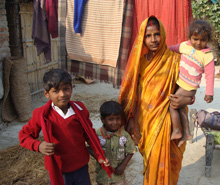 Renu Devi of Bagwanpur Rati village in India's Bihar state with her children who take the Vitamin A doses. Credit:Sujoy Dhar/IPS
VAISHALI, India, Dec 30, 2010 (IPS) - With three small children to raise in a dirt-poor village in eastern India’s Bihar state, farm labourer Renu Devi is an unsung rural supermom who shuttles between home and field every day. But the demure 30-year-old mother does not forget to bring her children to the biannual Vitamin A rounds in Bagwanpur Rati, one of the villages in Vaishali district of Bihar. This is because Vitamin A deficiency is a major cause of malnourishment in children. And in India’s rural heartlands, pro-active state governments like the one in Bihar have been teaming up with the United Nations Children’s Fund (UNICEF) to reach out to the nine to 59-month-old children with Vitamin A doses twice every year.
The rounds, given during the routine immunisation, precede an earnest campaign for awareness and information using the rural public announcement systems, which include men going around beating drums and hollering the dates for the rounds.
India’s national policy recommends that all nine to 59- month olds be given Vitamin A Supplementation (VAS) twice yearly to reduce the risk of blindness, infection, under- nutrition and death associated with such deficiency.
"I take my children because it is good for their eyesight," mutters an almost unlettered Renu Devi, clutching her three children together as she reaches her thatched house from the field to take care of the family.
In India, a country of 1.2 billion people, nearly 62 percent of pre-school children are deficient in Vitamin A, according to latest estimates, says UNICEF. There is a high prevalence of wasting (20 percent), stunting (48 percent) and anaemia (70 percent) among children below five years owing to nutritional deprivation.
Research from World Health Organization has found that giving Vitamin A to preschool children twice yearly reduced under-five mortality by 23 percent.
In Bihar, Vitamin A deficiency amongst pre-school children has long been a public health problem. But since 2005, UNICEF has been working with the Bihar government to strengthen the Child Development and Nutrition Programme’s outreach and get to children who would otherwise be left out.
In Bihar, the success of the drive has been achieved by adapting an outreach strategy to include beneficiaries that are nutritionally, economically and socially vulnerable. Vitamin A Supplementation (VAS) to cover children from socially excluded areas through special strategies is designed for this purpose, UNICEF officials say.
According to Dr Vandana Joshi, UNICEF nutrition specialist in Patna, the specialty of the Bihar campaign is the creation of additional sites for the rounds to reach uncovered areas and ensure vitamin supplementation to children from excluded areas.
"Additional sites were created to significantly increase outreach to children, which is reflected in the fact that each additional site, on an average, gave Vitamin A dose to approximately 115 children during the round which were otherwise missed," says Joshi.
Once known for lawlessness and crushing rural poverty, Bihar – now under the aegis of chief minister Nitish Kumar who was returned to power in 2010 for a second five-year term – is witnessing more growth and development.
The outcome is visible in the villages of Vaishali, a district contiguous to state capital Patna but with pockets of poverty despite the overall resurgence in the otherwise backward state.
Elderly village woman Shanti Devi says she does not care to know the exact benefits of Vitamin A. But since it is good for the children, she will take her six-month-old grandchild for the doses when he reaches nine months. "My grandchild is now only six months old. So we have to wait for three more months, but surely I will get him the doses," says Shanti Devi.
Vitamin A is an important micronutrient for maintaining normal growth, and is essential for a well-functioning immune system and visual and reproductive functions.
"The Bihar programme is special for several reasons," explains Joshi. "The additional site approach apart, the campaign and distribution is powered by the use of 80,000 Anganwadis (government-sponsored child and mother care centres of India), and accredited social health activists." "Our efforts are to create new additional sites as per local conditions and reach more to the backward caste and tribal habitations (known as the Schedule Caste and Scheduled Tribes)," she says.
Joshi’s words find meaning in the villages of Vaishali district.
In Bhagwanpur Rati village, Priya Devi is an Anganwadi worker whose easy access to every household helps her spread the word about the Vitamin A rounds.
"We undergo training and then fan out to survey the 9- month to 59-month-old children," says Priya Devi. "We educate the mothers, tell them what to feed their babies to provide nutrition and also ask them to come to the centres for check ups."
The Anganwadi workers in Bihar are supported by a strong contingent of trained nurses and midwives.
At Mansurpur health sub-centre in Vaishali district, nurse Amita Kumari says, "We remove misconceptions among the villagers about the doses and they have all wholeheartedly accepted us."
The latest coverage data indicate that in the first semester of 2009, VAS in Bihar reached 13.4 million nine to 59-month-olds, or 95 percent of children in this age group.
As Mukesh Kumar, district anaemia extender of UNICEF in Vaishali, points out: "The Vitamin A campaign has really caught on in Bihar with the villagers recognising it as the chhamachwali dawa (the medicine in spoon) and accepting it without any inhibition."
http://www.ipsnews.net/middle.asp
Renu Devi of Bagwanpur Rati village in India's Bihar state with her children who take the Vitamin A doses. Credit:Sujoy Dhar/IPSVAISHALI, India, Dec 30, 2010 (IPS) - With three small children to raise in a dirt-poor village in eastern India’s Bihar state, farm labourer Renu Devi is an unsung rural supermom who shuttles between home and field every day. But the demure 30-year-old mother does not forget to bring her children to the biannual Vitamin A rounds in Bagwanpur Rati, one of the villages in Vaishali district of Bihar. This is because Vitamin A deficiency is a major cause of malnourishment in children. And in India’s rural heartlands, pro-active state governments like the one in Bihar have been teaming up with the United Nations Children’s Fund (UNICEF) to reach out to the nine to 59-month-old children with Vitamin A doses twice every year.
The rounds, given during the routine immunisation, precede an earnest campaign for awareness and information using the rural public announcement systems, which include men going around beating drums and hollering the dates for the rounds.
India’s national policy recommends that all nine to 59- month olds be given Vitamin A Supplementation (VAS) twice yearly to reduce the risk of blindness, infection, under- nutrition and death associated with such deficiency.
"I take my children because it is good for their eyesight," mutters an almost unlettered Renu Devi, clutching her three children together as she reaches her thatched house from the field to take care of the family.
In India, a country of 1.2 billion people, nearly 62 percent of pre-school children are deficient in Vitamin A, according to latest estimates, says UNICEF. There is a high prevalence of wasting (20 percent), stunting (48 percent) and anaemia (70 percent) among children below five years owing to nutritional deprivation.
Research from World Health Organization has found that giving Vitamin A to preschool children twice yearly reduced under-five mortality by 23 percent.
In Bihar, Vitamin A deficiency amongst pre-school children has long been a public health problem. But since 2005, UNICEF has been working with the Bihar government to strengthen the Child Development and Nutrition Programme’s outreach and get to children who would otherwise be left out.
In Bihar, the success of the drive has been achieved by adapting an outreach strategy to include beneficiaries that are nutritionally, economically and socially vulnerable. Vitamin A Supplementation (VAS) to cover children from socially excluded areas through special strategies is designed for this purpose, UNICEF officials say.
According to Dr Vandana Joshi, UNICEF nutrition specialist in Patna, the specialty of the Bihar campaign is the creation of additional sites for the rounds to reach uncovered areas and ensure vitamin supplementation to children from excluded areas.
"Additional sites were created to significantly increase outreach to children, which is reflected in the fact that each additional site, on an average, gave Vitamin A dose to approximately 115 children during the round which were otherwise missed," says Joshi.
Once known for lawlessness and crushing rural poverty, Bihar – now under the aegis of chief minister Nitish Kumar who was returned to power in 2010 for a second five-year term – is witnessing more growth and development.
The outcome is visible in the villages of Vaishali, a district contiguous to state capital Patna but with pockets of poverty despite the overall resurgence in the otherwise backward state.
Elderly village woman Shanti Devi says she does not care to know the exact benefits of Vitamin A. But since it is good for the children, she will take her six-month-old grandchild for the doses when he reaches nine months. "My grandchild is now only six months old. So we have to wait for three more months, but surely I will get him the doses," says Shanti Devi.
Vitamin A is an important micronutrient for maintaining normal growth, and is essential for a well-functioning immune system and visual and reproductive functions.
"The Bihar programme is special for several reasons," explains Joshi. "The additional site approach apart, the campaign and distribution is powered by the use of 80,000 Anganwadis (government-sponsored child and mother care centres of India), and accredited social health activists." "Our efforts are to create new additional sites as per local conditions and reach more to the backward caste and tribal habitations (known as the Schedule Caste and Scheduled Tribes)," she says.
Joshi’s words find meaning in the villages of Vaishali district.
In Bhagwanpur Rati village, Priya Devi is an Anganwadi worker whose easy access to every household helps her spread the word about the Vitamin A rounds.
"We undergo training and then fan out to survey the 9- month to 59-month-old children," says Priya Devi. "We educate the mothers, tell them what to feed their babies to provide nutrition and also ask them to come to the centres for check ups."
The Anganwadi workers in Bihar are supported by a strong contingent of trained nurses and midwives.
At Mansurpur health sub-centre in Vaishali district, nurse Amita Kumari says, "We remove misconceptions among the villagers about the doses and they have all wholeheartedly accepted us."
The latest coverage data indicate that in the first semester of 2009, VAS in Bihar reached 13.4 million nine to 59-month-olds, or 95 percent of children in this age group.
As Mukesh Kumar, district anaemia extender of UNICEF in Vaishali, points out: "The Vitamin A campaign has really caught on in Bihar with the villagers recognising it as the chhamachwali dawa (the medicine in spoon) and accepting it without any inhibition."
http://www.ipsnews.net/middle.asp
MALARIA: Sickle cell disease still feared and deadly
 Photo: IRIN: Some 200,000 babies are born every year in sub-Saharan Africa with sickle cell disease
BANGKOK, 30 December 2010 (IRIN) - A century after the drawing of an anaemic patient’s sickle-shaped red blood cells came out of Chicago in the USA - a sketch that officially placed this still pervasive genetic disorder into medical books - confusion, discrimination and lack of treatment continue to surround sickle cell disease (SCD), especially in Africa where more than 200,000 babies are born every year with the disease. “Sickle cell is a true public health problem with medical, human and social dimensions,” Oumar Ibrahima Touré, Mali’s health minister until earlier this month, told IRIN.
Despite advances in treatment and research over the past century, SCD is still largely undiagnosed in the world's most affected areas where the problem is too complex for any quick-fix solutions, researchers say. And without treatment there is a 50 percent chance a sickle cell patient will die before the age of five, most commonly of a blood infection.
For its impact on lives and livelihoods, SCD has been deemed a “threat to the economic and social development of Africa” by the West Africa-based Federation of Associations Combating Sickle Cell Disorder in Africa (FALDA).
Still misunderstood
“People still don’t know about this sickness and there’s a lot of judgment, forcing sick people to hide,” said Dramane Banao, president of a national initiative to fight SCD and mother of a 19-year-old woman with SCD in the West African country of Burkina Faso.
Sickle cell disease is inherited and present at birth, but can show no symptoms for the first four months of life.
Characterized by irregular haemoglobin (iron-rich, oxygen-transporting protein in red blood cells), the disease causes red blood cells to morph into a sickle-shape (crescent) instead of a disc, which leads to clumping and blocked blood vessels.
This clumping can cause pain, infection and, in some cases, organ damage. When sickle-shaped cells die, sickle cell anaemia, the most common form of SCD, takes hold.
Anti-cancer drugs and bone marrow transplants have extended the life expectancy of sickle cell patients into their 50s.
“Life expectancy has increased, which is a huge accomplishment in the fight against the disease,” Dapa Diallo, director-general of the Centre for Sickle Cell Disease in Mali, said. “Sickle cell cannot be cured, but with proper care [the health of a patient] can be improved.” But life expectancy for a person with SCD in Africa, where a proper diagnosis is scarce, is still less than 20 years on average. “They didn’t know at all what the sickness was and treated me for malaria,” Abdoul Karim Ouedraogo, a 42-year-old sickle cell patient, said. At first, he was thought to be cursed, and now walks with crutches when SCD, prior to his diagnosis, damaged his hip.
Haemoglobin
An iron-rich protein in red blood cells that carries oxygen from the lungs to the entire body. Sickle cell disease is characterized by irregular haemoglobin. Healthy red blood cells live about 120 days in the bloodstream, but sickle-shaped ones die within 20 days, which creates a shortage of red blood cells and less oxygen movement. This is the most common form of sickle cell disease.
Inherited disease:
When an offspring is born to two parents who carry the sickle cell trait.
Sickle cell crisis
Sudden pain throughout the body when blood clumps and oxygen is not delivered. A crisis can last from hours to weeks.
Sickle cell trait
Carrying one copy of the sickle cell gene does not translate into experiencing symptoms of the disorder; rather, the trait is passed to offspring, which have a 50 percent chance of carrying the disease and a 25 percent chance of having two copies of the trait, and thus having the disease.
Discrimination
Up to one in four adults in sub-Saharan African countries like Nigeria carry the sickle cell trait, according to the World Health Organization (WHO). Though carriers do not necessarily experience symptoms, testing is recommended for genetic counselling. A man and woman, if both are carriers, have a 25 percent chance of having a child with SCD. But the development of genetic testing, which has resulted in improved prenatal diagnosis in some parts of the world, is underutilized in the most heavily affected parts of West Africa, and has even led to discrimination and fear. Finding a marriage partner can prove difficult for carriers of the trait: Carriers can be perceived as being sentenced to having a very sick child. “We see ourselves as burdens on our families,” Moussa Soulale, diagnosed at 13 and now 25, said from Mali where she is a teacher who has learned to live with her illness.
Screening, education, prenatal diagnosis and treatment have proven effective in fighting the disease among smaller populations, such as in the eastern Mediterranean country of Cyprus. But affected countries in Africa - where some populations have up to a 45 percent carrier rate, according to WHO - pose other challenges.
“The level of care and quality of management of the crisis are not well studied in Africa,” said Brahima Soumaoro, a Mali-based medical researcher. There is an urgent need to put in place training for health workers “based on standards of proven efficacy,” he said, in the hope of containing SCD as it has been contained in the USA and Europe.
TIMELINE:
1910: James Herrick, a doctor in Chicago in the USA notices “peculiar elongated and sickle shaped” blood cells in Walter Clement Noel, a dental student from Grenada suffering from anaemia. Sickle cell disease, though known for years in Africa, was then formally reported in the US medical journal, Archives of Internal Medicine.
1917: The genetic basis for sickle cell is first suggested by Victor Emmel, an American anatomist, in the US medical journal, Archives of Internal Medicine.
1922: Three more cases are reported in the USA and the disease is formally named.
1923: Doctors at the Maryland-based Johns Hopkins University conclude sickle cell disease is an “autosomal recessive characteristic” - two copies of the gene must be present for it to be expressed.
1927: It is discovered that “sickling” happens because of a lack of oxygen.
1940: The connection is made between abnormal haemoglobin and the tendency of red blood cells to sickle.
1949: It is determined that carrying the sickle cell trait can be symptomless.
1954: Anthony Allison hypothesizes that the sickle cell trait offered protection against malaria. As more research was done, it is discovered that those with the sickle cell trait, not the disease, are protected against malaria. But those with sickle cell disease either die from the blood disorder or die after coming into contact with malaria because of a weakened immune system. Subsequent research has called into question the sickle cell trait’s ability to protect against malaria.
1970s: Forced testing for black people proliferates when sickle cell screening programmes began in the USA.
1979: Calculations suggest the sickle cell gene developed 70,000-150,000 years ago.
1994: It is recognized that all of the areas where sickle cell disease originated have been, or are now, endemic locations of malarial infestation.
1995: Hydroxyurea, an anti-cancer drug, is found to be an effective therapy in reducing complications from SCD.
1996: Bone marrow transplants are now used to treat sickle cell disease in children.
1996: The Federation of Associations Combating Sickle Cell Disorder in Africa (FALDA) is formed.
2000: The introduction of pneumococcal vaccine greatly reduces child mortality in the USA as those with SCD were at high risk of developing pneumococcal meningitis.
2003: Hydroxyurea increases life expectancy for sickle cell patients.
2010: Mali President Amadou Toumani Touré opens a research centre to promote SCD research, training and genetic counselling for medical follow-up, with the ambition of creating globally influential advancements. Touré calls the centre part of the fight against poverty.
http://www.irinnews.org/Report.aspx?Reportid=91483
Subscribe to:
Posts (Atom)


